
How Much Does Shipping From China to the UK Cost?
By:Admin
In today's globalized economy, shipping goods internationally is a critical component for businesses engaged in trade between China and the United Kingdom. Whether it’s for small-scale entrepreneurs or large corporations, understanding the shipping costs from China to the UK is essential for effective budgeting and logistics planning. This article explores the current landscape of shipping costs from China to the UK, factors influencing these costs, and provides insights to help businesses optimize their supply chain operations.
### Overview of Shipping Costs from China to the UK
Shipping costs between China and the UK have experienced fluctuations due to various factors such as global economic conditions, fuel prices, and geopolitical developments. On average, the cost to ship goods from China to the UK varies widely depending on the mode of transportation chosen—sea freight, air freight, or courier services.
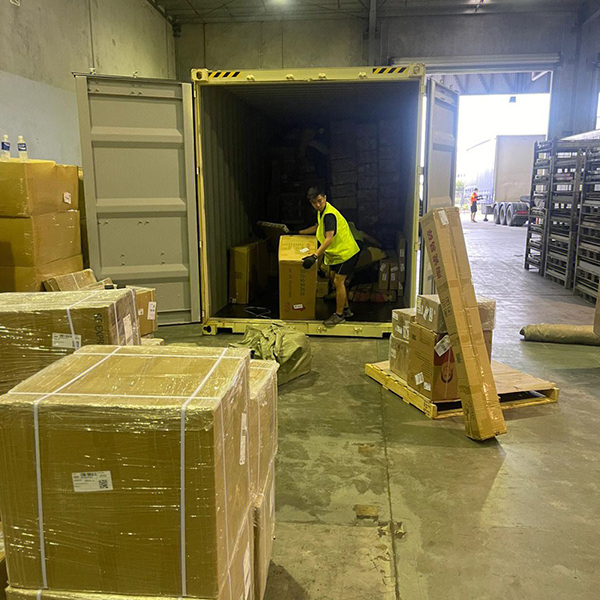
**Sea Freight** remains the most economical option for bulk shipments. For standard container shipping, prices can range from approximately $1,000 to $3,000 for a 20-foot container. However, these costs are subject to change based on fuel surcharges, port fees, and the current demand for shipping slots. Furthermore, the transit time for sea freight typically spans 20 to 40 days, making it a choice better suited for non-urgent shipments.
**Air Freight** offers significantly faster delivery times, often within 3 to 7 days, but it comes at a premium price. The cost per kilogram for air freight can range from $4 to $8 or more, depending on cargo volume, weight, and the specific airports involved. Air freight is ideal for lightweight, high-value, or time-sensitive goods but is generally impractical for heavy or bulky shipments due to cost constraints.
**Courier Services** such as DHL, FedEx, or UPS provide door-to-door pickup and delivery with excellent tracking capabilities. While convenient, courier shipping rates are generally the highest per kilogram and are most commonly used for small parcels or samples.
### Key Factors Influencing Shipping Costs
Several critical factors impact the overall shipping cost from China to the UK:
1. **Cargo Volume and Weight**: Shipping companies calculate fees based on either actual weight or volumetric weight (dimensional weight), whichever is greater. Large, lightweight items may incur higher fees due to their space requirements.
2. **Shipping Mode**: Sea freight generally offers the lowest cost per unit volume, while air freight and courier services are more expensive options but provide faster transit times.
3. **Seasonal Demand**: Peak seasons such as the Chinese New Year and the Christmas shopping period see increased demand for shipping, driving up prices and leading to longer booking lead times.
4. **Fuel Prices and Surcharges**: Fluctuating oil prices directly impact fuel surcharges added to freight costs.
5. **Port Fees and Customs Duties**: Additional charges such as terminal handling fees (THF), unloading costs, and customs clearance fees affect the final cost.
6. **Insurance**: Against potential loss or damage, insurance is highly recommended, incurring extra costs typically calculated as a percentage of the cargo value.
### Navigating Customs and Import Regulations
Importing goods from China to the UK necessitates compliance with customs regulations and duties. The UK operates on a tariff system that varies depending on product categories. Importers should ensure all paperwork, including commercial invoices, packing lists, and certificates of origin, are accurate and complete to avoid delays and additional fees.
### Optimizing Shipping Strategies for Cost Efficiency
For companies seeking to optimize shipping expenses, adopting a strategic approach is vital:
- **Consolidation of Shipments**: Combining goods into full container loads (FCL) instead of less-than-container loads (LCL) can reduce per-unit shipping costs.
- **Choosing the Right Freight Forwarder**: Partnering with experienced freight forwarders can provide access to negotiated rates, better scheduling, and streamlined customs processes.
- **Flexible Shipping Schedules**: Planning shipments outside of peak seasons can secure lower prices and reduce the risk of delays.
- **Utilizing Technology**: Tracking shipments and optimizing routes through logistics software can improve transparency and efficiency.
### Company Introduction
Founded with the objective of simplifying international trade, the company specializes in providing comprehensive logistics solutions tailored to businesses importing goods from China to the UK. With years of experience and a global network of partners, the company offers end-to-end services, including freight forwarding, customs clearance, warehousing, and distribution. Commitment to reliability, cost-effectiveness, and customer-centric service enables clients to streamline their supply chain and minimize unexpected shipping costs.
The company’s team of experts stays abreast of the latest market trends and regulatory changes, assisting clients in making informed decisions and navigating challenges posed by international shipping complexities.
### Conclusion
Shipping goods from China to the UK involves various cost factors dependent on the mode of transport, cargo characteristics, seasonality, and regulatory requirements. By understanding these variables, businesses can better plan their logistics, negotiate favorable rates, and mitigate risks associated with international shipping. Leveraging the expertise of experienced logistics providers further enhances efficiency and cost-effectiveness, ensuring that goods arrive on time and within budget.
As global trade continues to evolve, staying informed about shipping dynamics and adopting strategic practices will be essential for businesses aiming to succeed in the competitive landscape of international commerce.