
Current Shipping Container Prices from China to UK: Trends and Insights
By:Admin
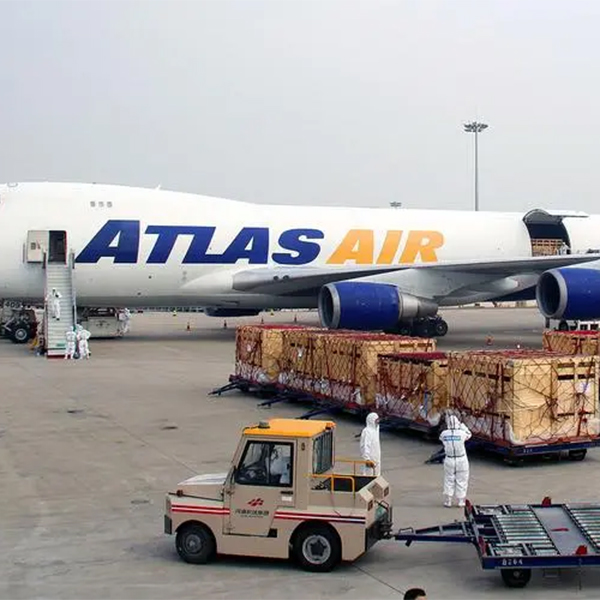
In recent years, the global supply chain has experienced significant fluctuations, and one of the most affected areas has been the shipping container market. Particularly, the prices for shipping containers from China to the UK have seen considerable changes due to various factors ranging from demand surges to logistic bottlenecks. This article explores the current trends in shipping container prices on this key trade route and their implications for businesses relying on international freight.
**Current Market Trends**
The last few years have witnessed unprecedented disruptions in maritime logistics. Beginning with the COVID-19 pandemic, many supply chains were strained by port closures, labor shortages, and shifting consumer demand. Shipping container prices from China to the UK surged dramatically throughout 2020 and 2021, reaching heights not seen in recent memory. During this period, the cost to ship a standard 20-foot container from major Chinese ports like Shanghai or Shenzhen to UK ports such as Felixstowe or Southampton increased by more than 300% compared to pre-pandemic levels.
However, entering 2023 and 2024, the market has been gradually stabilizing. Container prices have begun to normalize, although they remain above historical averages. This stabilization is attributed to improved port efficiencies, easing backlogs, and the reopening of manufacturing hubs. Nonetheless, the sector faces ongoing challenges due to factors like fluctuating fuel prices, changes in trade policies, and periodic labor disputes.
**Factors Influencing Shipping Container Prices**
1. **Supply and Demand Dynamics**
The core driver behind shipping container prices is the balance between supply and demand. China remains the world’s largest exporter, and the UK is a vital destination for manufactured goods, resulting in consistently high demand for container shipping. During periods of peak consumer activity—such as holiday seasons or promotional sales—container demand spikes, putting upward pressure on prices.
2. **Port Congestion and Operational Delays**
Port congestion, particularly at major UK terminals like Felixstowe—the country’s busiest container port—continues to impact shipping schedules and costs. Delays at these ports can result in increased demurrage fees (charges for containers held beyond free storage periods), which indirectly raise the total shipping expense.
3. **Fuel Costs and Surcharges**
The cost of bunker fuel, the heavy fuel oil used by cargo ships, directly affects freight rates. Volatile oil markets, influenced by geopolitics and supply constraints, yield fluctuating bunker surcharges that are passed on to importers and exporters.
4. **Regulatory and Environmental Changes**
Maritime industries worldwide are adjusting to stricter environmental regulations, including the International Maritime Organization’s (IMO) 2020 sulfur cap. Compliance has increased operational costs for shipping carriers, contributing to higher freight rates.
**Implications for Businesses**
Companies engaged in import and export between China and the UK must carefully manage shipping costs to maintain competitiveness. Elevated container shipping prices can inflate product costs, reduce profit margins, and force adjustments in supply chain strategies.
- **Inventory Planning:** Businesses are increasingly adopting just-in-case inventory management rather than just-in-time to buffer against unpredictable shipping delays and costs.
- **Supplier Negotiations:** Long-term contracts with shipping providers or integrated logistics companies are becoming vital to secure stable rates.
- **Diversification:** Some companies are exploring alternative routes or modes of transport, such as air freight or rail (e.g., the China-Europe Railway Express), to mitigate risks.
**Looking Ahead**
The outlook for shipping container prices from China to the UK is cautiously optimistic. While global trade volumes are expected to recover and grow steadily, ongoing challenges such as geopolitical tensions, fluctuating demand, and environmental compliance will continue to influence cost structures. Stakeholders must remain agile and informed to navigate this complex landscape effectively.
---
**About the Company**
[Insert company introduction here: The company specializes in international freight forwarding and logistics solutions, leveraging a robust network of global partners to provide cost-effective and reliable shipping services between China and the UK. With a focus on customer-centric solutions and supply chain optimization, the company helps businesses manage the complexities of global trade, ensuring timely delivery and transparent pricing.]
---
As the international shipping environment evolves, understanding the dynamics of container pricing is essential for businesses to make strategic decisions. By partnering with experienced logistics providers, companies can gain valuable insights, optimize their supply chains, and maintain resilience in an ever-changing market.