
Shipping Prices from China to Australia: Latest Rates and Trends
By:Admin
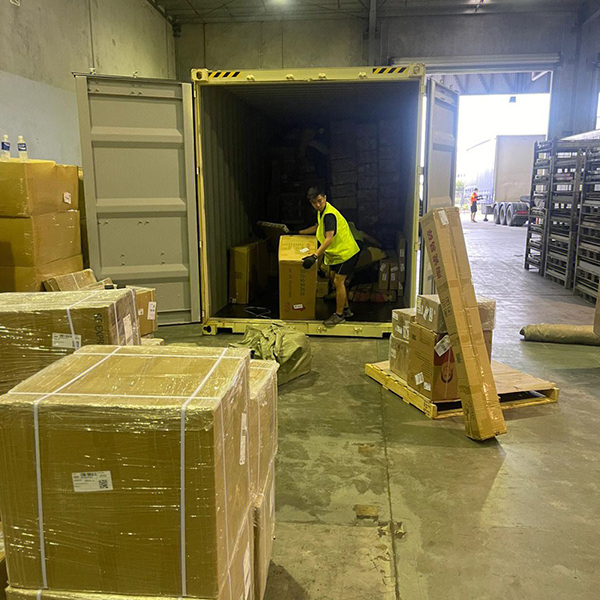
In recent months, the shipping industry has witnessed significant shifts in pricing trends for freight services from China to Australia. This development has major implications for importers, exporters, and businesses reliant on this key trading corridor. Understanding the factors driving these changes and how companies are adapting provides valuable insight into the current logistics climate between these two nations.
**Current Shipping Price Landscape**
The trade route between China and Australia remains one of the most vital maritime paths globally, facilitating billions of dollars in goods annually. As economies rebound from pandemic disruptions, demand for shipping capacity has surged. This mounting demand has put pressure on freight availability and costs, resulting in notable price adjustments.
Recent data indicates that sea freight prices for container shipments from Chinese ports to Australian destinations have experienced fluctuations. Several factors contribute to these dynamics, including port congestion, vessel shortages, fuel price variations, and evolving regulatory requirements aimed at sustainability and security.
**Key Drivers of Price Changes**
1. **Post-Pandemic Recovery and Supply Chain Realignment**
As global markets normalize, there is increased production output in China combined with strong import demand in Australia. Businesses are replenishing inventories and adjusting supply chains to meet new consumer behaviors. This increased volume has strained shipping capacity, contributing to price increases in some segments.
2. **Port Congestion and Operational Delays**
Both Chinese and Australian ports have periodically faced congestion due to heightened cargo volumes and labor shortages. These bottlenecks prolong container turnaround times and reduce shipping efficiency, often leading carriers to adjust rates to manage demand and compensate for delays.
3. **Fuel Price Volatility**
Fuel costs constitute a substantial portion of shipping expenses. Fluctuating oil prices impact bunker charges and shipping rates directly, with carriers frequently revising surcharges in response to global energy market trends.
4. **Environmental Regulations**
Increasingly stringent emissions standards push shipping companies to invest in greener technologies and cleaner fuels. Compliance costs are frequently factored into freight prices, influencing overall shipping expenses.
5. **Geopolitical and Trade Policy Factors**
Trade policies and diplomatic relations influence shipping routes and tariffs. Any uncertainty or regulatory changes can affect shipping schedules and costs, as businesses seek to navigate evolving conditions safely.
**Industry Response and Adaptations**
To address these challenges, many freight forwarding companies and logistics providers have stepped up efforts to optimize operations and offer competitive pricing. Enhanced supply chain visibility, digitalization, and proactive customer communication have become essential tools.
Companies are focusing on:
- **Multi-modal Solutions:** Combining sea, rail, and air transport options to enhance flexibility and reduce transit times.
- **Capacity Planning:** Collaborating with carriers and ports to anticipate demand spikes and allocate resources efficiently.
- **Sustainability Initiatives:** Investing in eco-friendly shipping methods to comply with regulations while appealing to environmentally conscious clients.
- **Transparent Pricing:** Offering clear and detailed freight cost breakdowns to help customers understand rate fluctuations and plan budgets accordingly.
**What This Means for Importers and Exporters**
Businesses involved in import and export activities should prepare for continued variability in shipping prices. Strategic planning is crucial:
- **Early Booking:** Securing shipping space well in advance can mitigate cost spikes during peak periods.
- **Inventory Management:** Holding buffer stocks may help cushion supply chain interruptions but requires balancing capital expenditure.
- **Supplier Collaboration:** Working closely with suppliers and logistics partners to streamline processes and share timely information.
- **Exploring Alternatives:** Diversifying shipping routes and modes to find cost-effective and reliable options.
**Outlook**
While shipping rates from China to Australia are subject to change based on myriad factors, the long-term trade relationship remains robust. Continued economic growth and trade integration between the countries are expected to support steady demand for maritime transport.
Technological advancements, including automated port operations and blockchain-based documentation, promise increased efficiency and transparency, potentially stabilizing freight prices over time.
Ultimately, businesses that adapt flexibly and leverage innovative logistics solutions will be best positioned to navigate the evolving shipping price landscape and maintain resilience in their supply chains.
---
This overview reflects current trends impacting shipping prices between China and Australia and highlights strategic considerations that can help stakeholders manage costs and optimize shipping performance. As the market environment continues to evolve, staying informed and agile remains paramount for sustained success.