
Air Freight Cost Per Kg from China to Australia: Latest Rates and Trends
By:Admin
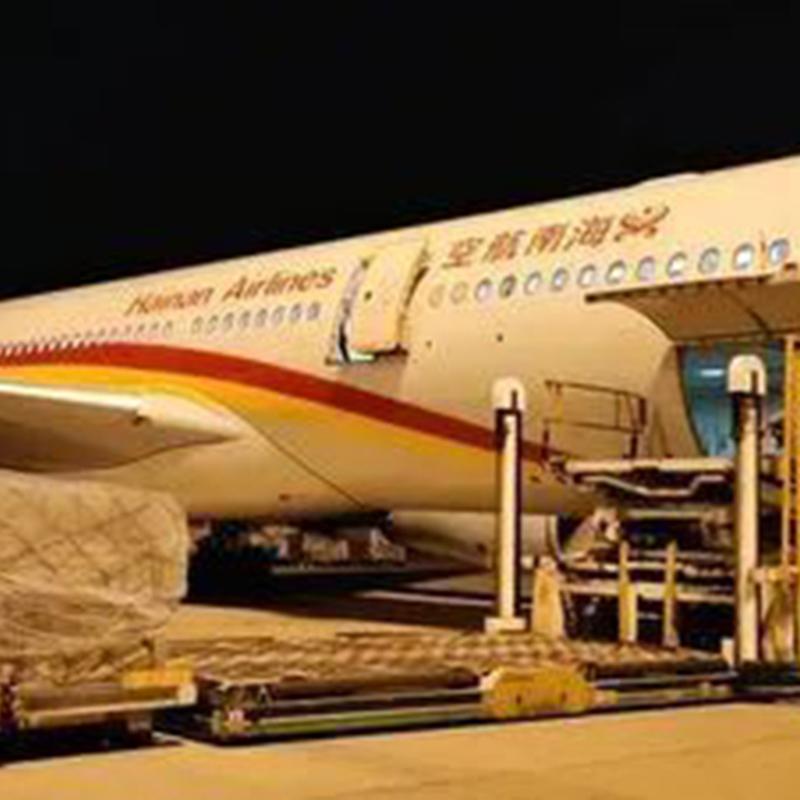
In recent months, the air freight sector between China and Australia has exhibited notable changes, reflecting broader dynamics in global trade, supply chain adjustments, and economic conditions. As businesses increasingly rely on efficient logistics to meet consumer demand and manage inventory, understanding the cost drivers and trends in air freight rates becomes crucial.
### Current Air Freight Cost Trends from China to Australia
Air freight costs are typically influenced by factors such as fuel prices, capacity constraints, demand fluctuations, geopolitical events, and seasonal variations. For shipments from China to Australia, there has been a marked volatility in pricing, reflecting both supply chain disruptions and shifts in trade volumes.
As of the latest data, the average air freight cost per kilogram from major Chinese hubs such as Shanghai, Shenzhen, and Guangzhou to Australian cities including Sydney, Melbourne, and Brisbane has seen moderate fluctuations. On average, freight costs range between USD 3.50 to USD 5.50 per kilogram, depending on the volume, type of goods, and urgency of delivery. This marks a slight increase compared to the previous quarter, attributed in part to rising fuel prices and lingering bottlenecks at key airports.
### Factors Driving the Air Freight Rates
1. **Fuel Price Volatility:** Aviation fuel constitutes a significant portion of operating costs, and recent increases in global oil prices have contributed to higher air freight charges.
2. **Capacity Constraints:** Despite the gradual recovery from pandemic impacts, cargo space availability remains tight, especially on passenger aircraft that also carry significant freight in their belly holds. Many airlines have adjusted schedules, limiting available cargo seats and pushing prices upward.
3. **Demand Surge:** The resurgence in consumer demand, particularly for electronics, fashion, and perishable goods, has increased urgency for air cargo shipments. Retailers preparing for peak seasons like Christmas and Lunar New Year have boosted freight volumes.
4. **Logistics and Customs Delays:** Ongoing port congestion and customs inspection backlogs have occasionally led to delays, prompting some shippers to prefer air freight for faster delivery despite higher costs.
5. **Regulatory and Geopolitical Factors:** Changing trade policies or restrictions sometimes cause shippers to reroute or expedite shipments, influencing freight rates.
### Implications for Australian Businesses and Importers
Australian businesses importing from China need to closely monitor these shifting air freight costs, as they directly impact supply chain expenses and profitability. While air freight offers speed and reliability, the premium cost relative to sea freight makes it essential to strategize shipments carefully.
For high-value goods, perishable items, or time-sensitive inventory, air freight remains the preferred option despite increased rates. Conversely, companies with more flexible delivery schedules might opt for ocean freight to manage costs. Some businesses are exploring diversified supply chains or local manufacturing to reduce dependence on long-haul air cargo.
### Technological Advancements and Industry Responses
In an effort to optimize costs and improve service quality, freight forwarders and logistics providers continue to invest in technology-driven solutions. Advanced cargo tracking, predictive analytics for demand forecasting, and enhanced capacity planning allow better alignment between supply and demand.
Furthermore, innovative aircraft designs and the gradual introduction of sustainable aviation fuels promise future operational efficiencies that could help moderate freight costs and reduce environmental impacts.
### Preparing for Future Market Conditions
Industry experts suggest that businesses should stay informed about macroeconomic indicators and sector-specific developments influencing freight rates. Establishing strong partnerships with logistics providers, negotiating volume-based contracts, and leveraging digital platforms for real-time rate and capacity information can provide competitive advantages.
Moreover, the gradual normalization of global travel and cargo flights is expected to balance capacity constraints over the next 12 to 18 months, potentially stabilizing air freight prices on China-to-Australia routes.
---
### About [Company Introduction]
[Company Name] is a leading international logistics provider specializing in air and sea freight services between Asia and Australia. With a strong focus on customer-centric solutions, the company leverages a global network of partners, advanced supply chain technologies, and industry expertise to deliver flexible and cost-effective freight options. Committed to sustainability and innovation, [Company Name] helps businesses navigate the complexities of international shipping while ensuring timely and secure delivery of goods.
---
### Conclusion
The air freight cost per kilogram from China to Australia remains subject to fluctuations influenced by fuel prices, demand dynamics, and logistical factors. Despite recent increases, air freight continues to play a vital role in facilitating trade between the two nations. Businesses are encouraged to adopt strategic approaches and maintain close collaboration with logistics providers to optimize supply chain efficiency amid evolving market conditions.
By keeping abreast of industry trends and leveraging expert guidance, Australian importers can effectively manage air freight expenses and capitalize on opportunities presented by global trade flows.