
Find Reliable Freight Forwarders in China for Efficient Shipping
By:Admin
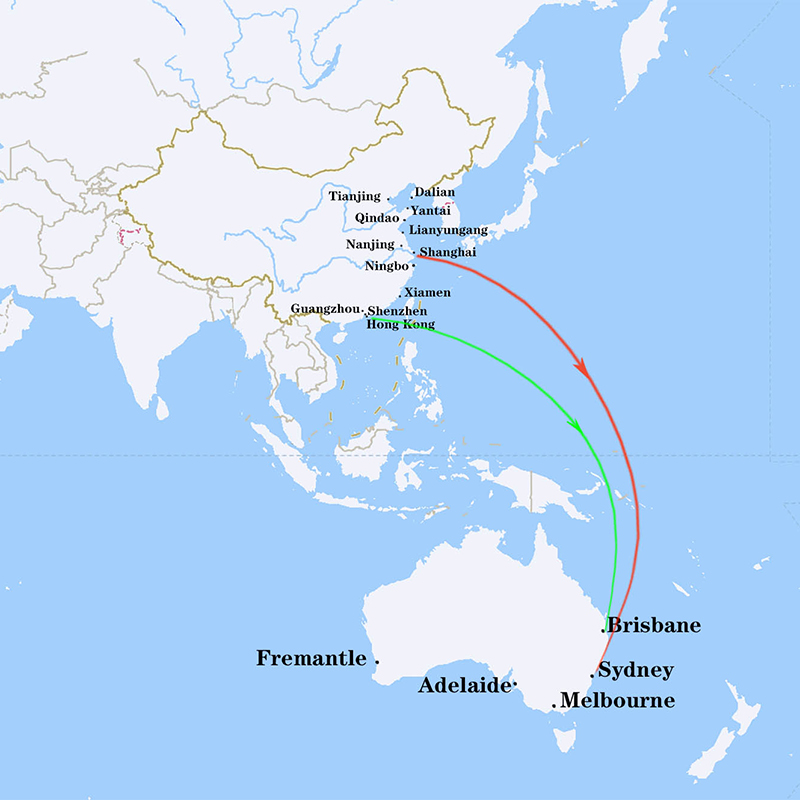
In today's dynamically evolving global trade environment, China remains a pivotal hub for manufacturing and export activities. With its vast production capabilities and extensive supply chain networks, businesses worldwide rely heavily on efficient logistics solutions to move goods seamlessly from China to international markets. However, navigating China’s complex freight forwarding landscape can be challenging for companies unfamiliar with local regulations, cultural nuances, and operational intricacies. This highlights the paramount importance of selecting the right forwarder in China to ensure smooth, cost-effective, and timely shipments.
### The Growing Demand for Forwarding Services in China
China’s position as the "world's factory" has led to an exponential increase in outbound shipments, ranging from small parcels to large bulk consignments. As e-commerce booms and manufacturing continues to shift towards smart, customized production, businesses seek forwarders who can offer customized logistics solutions tailored to specific industries and shipment profiles.
Freight forwarders in China play a crucial role beyond mere transportation. They provide comprehensive services including cargo consolidation, customs clearance, warehousing, insurance, and last-mile delivery coordination. These services are vital in mitigating risks such as shipment delays, damage, or loss, which can fundamentally impact business profitability and customer satisfaction.
### Key Considerations When Choosing a Forwarder in China
When looking for a forwarder in China, companies must evaluate forwarders on several key criteria:
1. **Local Expertise and Network:** The ideal forwarder should have a strong presence in major Chinese logistics hubs like Shanghai, Shenzhen, Guangzhou, and Ningbo. In-depth knowledge of local customs regulations, port operations, and inland transportation routes ensures that the freight moves without unnecessary hindrances.
2. **Service Range and Flexibility:** A capable forwarder offers a variety of shipment options including air freight, sea freight, rail, and multimodal transport solutions. Their ability to customize services—such as handling temperature-sensitive goods or oversized cargo—adds immense value.
3. **Technology Integration:** Modern logistics demands real-time shipment tracking, automated documentation processes, and digital communication channels to enhance transparency and operational efficiency.
4. **Cost Competitiveness:** While price should not be the sole consideration, transparent and reasonable pricing combined with high service quality is critical. Forwarders who can optimize routes and consolidate shipments often deliver significant cost savings.
5. **Customer Support and Reliability:** Responsive communication, multilingual customer service, and proactive problem-solving contribute to a smoother shipping experience, especially when unexpected issues arise.
### Challenges Forwarders Face in China
Despite the opportunities, freight forwarding in China carries unique challenges. Customs clearance procedures can be complex and frequently updated; understanding the nuances around restricted goods, duties, taxes, and documentation is essential. Furthermore, peak seasons around major Chinese holidays, such as the Lunar New Year, often congest transport networks, creating potential delays.
Environmental regulations and sustainability requirements are also becoming more stringent in China’s logistics sector, encouraging forwarders to adopt greener practices. Forwarders committed to sustainability may utilize energy-efficient transport modes and emissions-reducing technologies, aligning with global environmental goals and client expectations.
### Partnering for Success: The Role of Professional Forwarders
A professional forwarder acts as a strategic partner rather than just a service provider. By understanding a business’s supply chain objectives, they can advise on optimal shipment scheduling, packaging solutions, and risk management strategies. Such partnerships help enterprises scale efficiently, minimize lead times, and enhance competitiveness.
For instance, integrating warehousing solutions near major ports allows for just-in-time inventory management, reducing storage costs and improving order fulfillment speed. Additionally, knowledgeable forwarders assist in navigating trade compliance, mitigating the risk of fines or shipment seizures.
### Conclusion
Selecting the right forwarder in China is a critical step for any business looking to import or export goods through one of the world’s busiest trade corridors. With a robust local presence, diverse service offerings, technological capabilities, competitive pricing, and reliable customer support, a competent forwarder can transform complex logistics challenges into streamlined, efficient operations.
As global supply chains continue evolving, companies must prioritize forging strong, long-term relationships with forwarders who understand both global trends and local nuances. The right logistics partner in China not only ensures timely and secure delivery of goods but also enables businesses to adapt quickly to market changes and achieve sustainable growth.
In summary, when seeking a forwarder in China, consider those who bring deep market insight, operational excellence, and a commitment to innovation and sustainability. Such partners empower businesses to leverage China’s manufacturing powerhouse effectively while maintaining high standards of service, transparency, and cost control.